
Shaping the Augmented Reality Future
I’ve used simulators to safely test and optimize features before deployment.
Our Story
Have you used Simulators for any task?
Yes… BUT!!!
Yes! I’ve actively used simulators to test features, practice workflows, and validate performance. They let me recreate real-world scenarios safely, identify issues early, optimize processes, and ensure smooth deployment without impacting live systems.
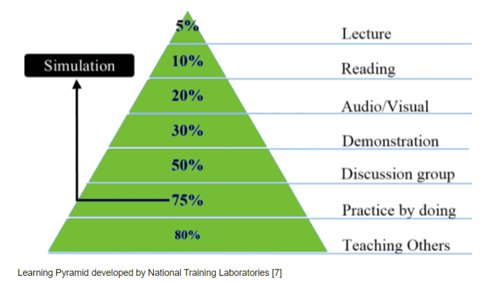
The Learning Pyramid shows that active, experiential methods lead to higher knowledge retention. AR and VR technologies perfectly align with these top-tier learning methods:
-
Lecture (5%) & Reading (10%) – Traditional instruction alone has minimal retention.
-
Audio/Visual (20%) – VR videos or AR visualizations help learners see concepts in 3D, improving understanding.
-
Demonstration (30%) – AR/VR demos let learners observe processes in an immersive environment.
-
Discussion Group (50%) – Virtual classrooms and collaborative VR sessions foster interactive learning.
-
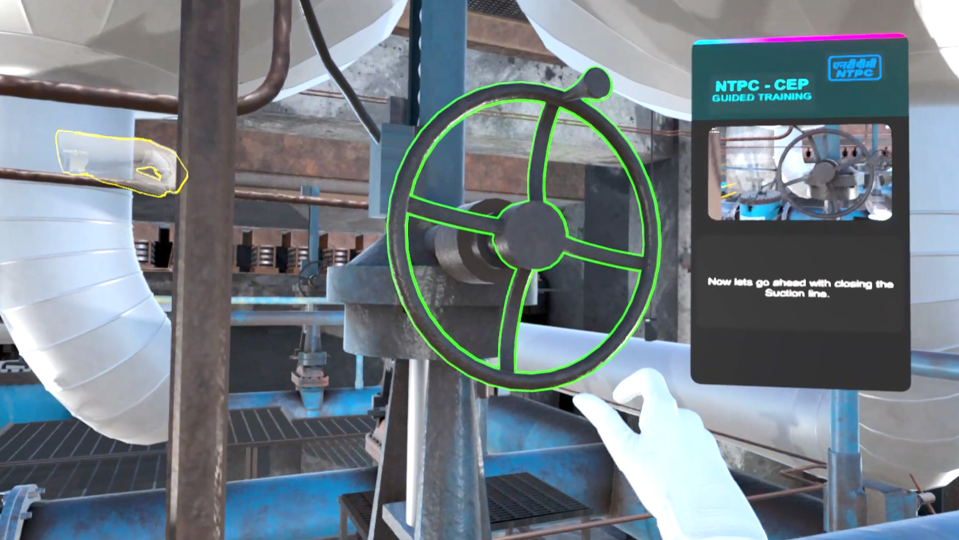
Practice by Doing (75%) – VR simulations and AR applications allow learners to practice skills safely in realistic scenarios, greatly enhancing retention.
-
Teaching Others (80%) – Learners can guide peers through AR/VR experiences, reinforcing their knowledge.
Our Process
Steps to Your Immersive AR & VR Experience
Understanding Your Vision in Extended Reality
Crafting Immersive AR & VR Experiences
Deploying & Optimizing XR Solutions
The Goal
Our Mission
The Outlook
Our Vission
Our Services
How We Build Impactful AR & VR Experiences
AR Concept Visualization
Idea planning & immersive thinking
VR Training & Performance Growth
Maintenance, learning & skill enhancement

AR-Based Industrial Simulation
Architecture, operations & real-world scenarios

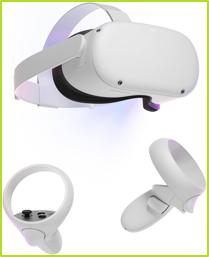
Virtual Reality Experience Devices
VR Headset & Controllers)
From Concept to Immersive AR & VR Reality
Our experts design interactive 3D environments, AR overlays, and VR simulations using cutting-edge technology. Every experience is optimized for usability, realism, and performance.